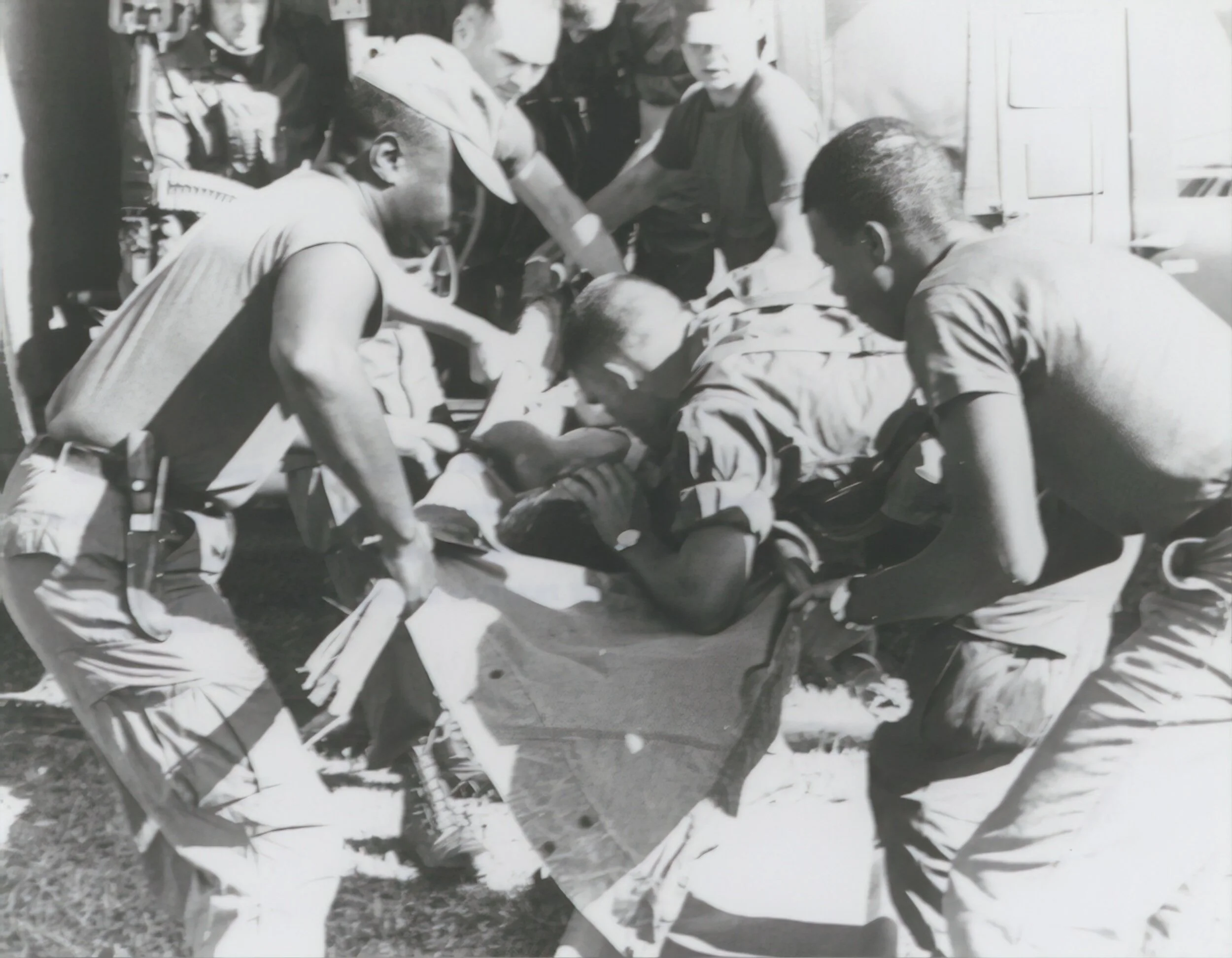
The small area around the three bases was considered our ‘safe bubble’. The roads were relentlessly patrolled and were watched over by sophisticated surveillance assets mounted on a blimp that floated high above the patrol base. We believed it was almost impossible for insurgents to move undetected within the bubble.
A Brief History of the Tourniquet
From Horse Carts to Helicopters – The Long Evolution of Battlefield Casualty Evacuation
Afghanistan and the IED Threat: How British Soldiers Survived
Unable to compete with the coalition in conventional warfare, the Taliban soon became an insurgency, moving covertly amongst the Afghan population and employing guerrilla tactics. Nowhere was this more so than in Helmand Province, where British forces were most active, as Helmand was the historic heartland of the Taliban movement.
Steadfast: A Novel
2012.
After ten years of fighting, the British Army and its allies are still locked in a deadly struggle against Taliban forces in Helmand Province, Afghanistan.
Captain Alec Collard is a newly trained army doctor who is bored by the safe, middle-class existence of home. He believes he will find adventure and purpose on the front line of the conflict.
The Grandmother Hypothesis: An evolutionary explanation for the menopause?
Trial By Jury: Sacred Institution, But is it the Best Way?
Shake Yourself Out of It
Herman Boerhaave was a 18th Century Dutch physician of European renown. He is known as the ‘father of physiology’ and his contributions to medicine were legion. His name lives on in the ‘Boerhaave Syndrome’ which is the rupture of the oesophagus after forceful vomiting which he described in 1724 when the Dutch admiral Baron Jan van Wassenaer died of the condition after a particularly gluttonous feast.
Why Clocks Move Clockwise and How People Can Fall Out Over Anything
Judith and Baldwin: The Greatest Love Story that No-One Knows?
In the year 856 King Aethelwulf of Wessex was returning from a year long pilgrimage to Rome. He had with him his youngest son, Aflred, who would one day be known as ‘the Great’. Aethelwulf was old by the standards of the day - probably in his mid-50s and possibly over 60 - and had been seeking spiritual peace at the end of his life by going to Rome. Whilst he was away, he had left another son, Aethelbald, in charge of Wessex.